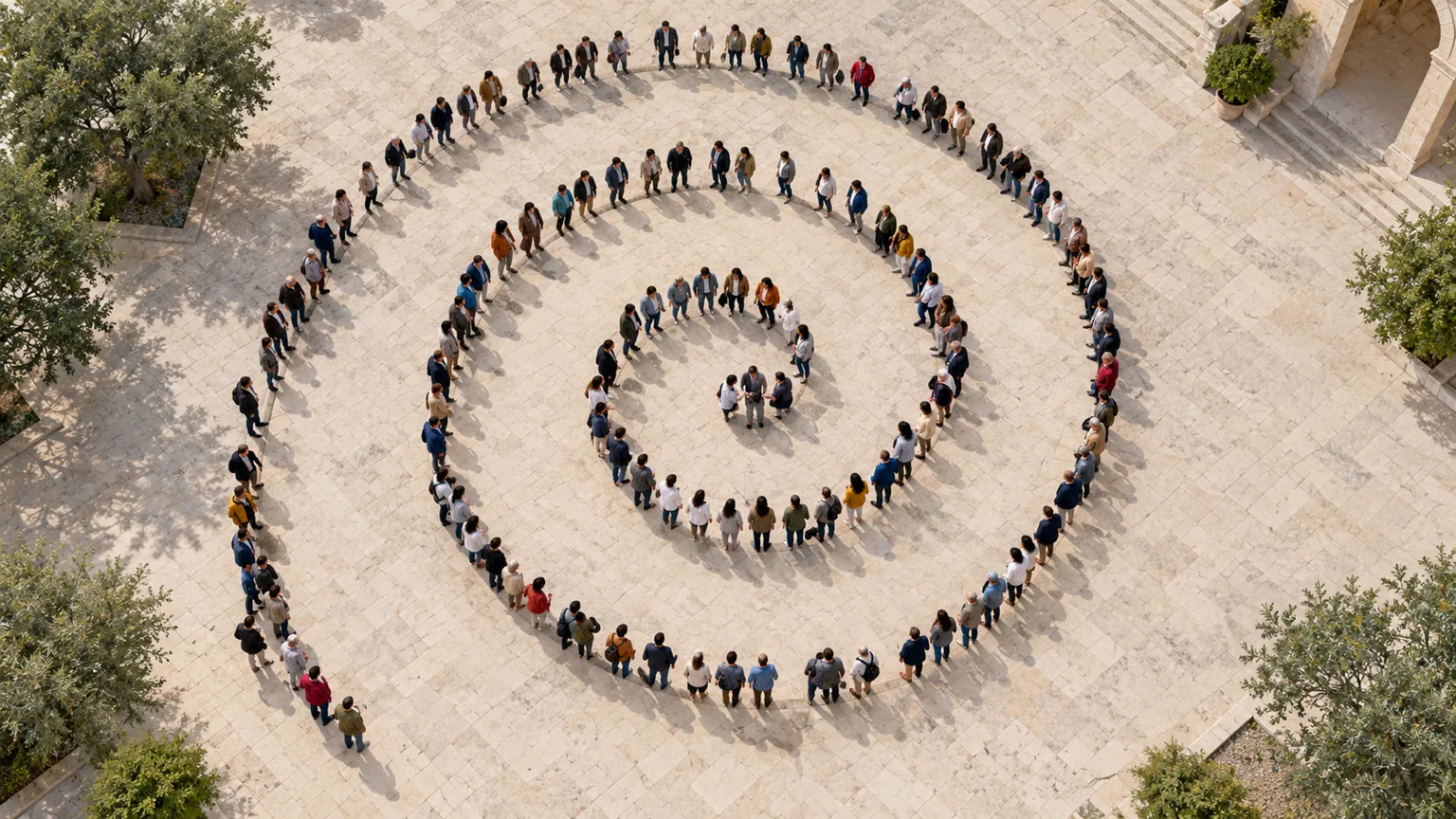
Group Relations
A temporary organisation in which people learn from how they form groups, take up roles and exercise authority together.
Explore Group Relations ↗ Socioanalytic Practice
Every request begins in a particular situation. I listen to what is happening, who is involved, what has already been tried and what the work is being asked to achieve. I work online and in person.
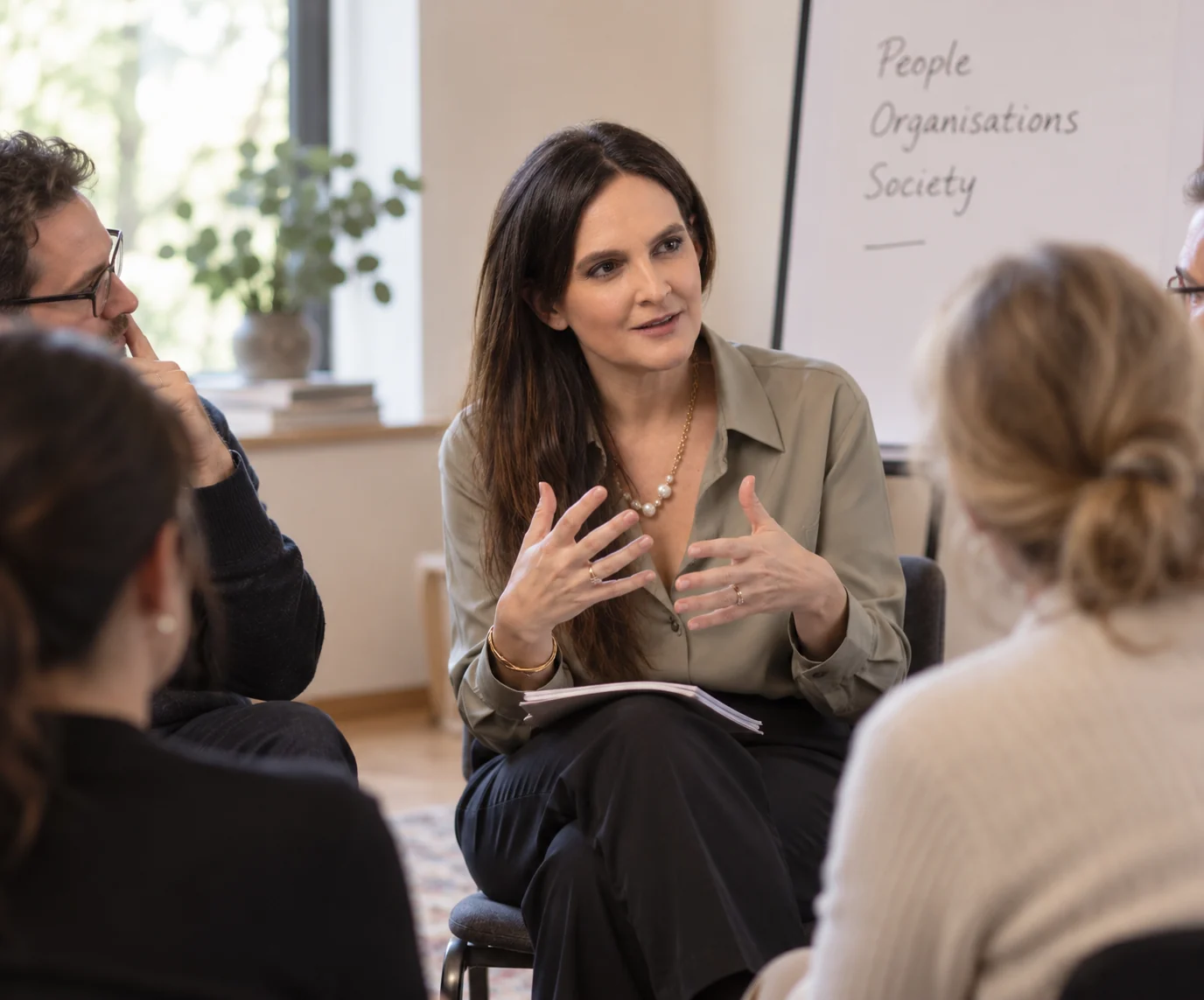
An organisation may ask for help when a team has become stuck, a change is difficult to carry through, or people find themselves repeating a familiar conflict. I work with members to explore how roles, authority, relationships, structure and the pressures of the task may be contributing to the difficulty. Organisational design may be part of the work: how tasks are divided, decisions are made, boundaries are held and people are able to cooperate. We can ask whether structures and procedures serve the organisation’s purpose, and how they shape the culture and behaviour that develop around them.
This includes a socio-technical question: how people, tasks and technologies shape one another in the actual organisation. The work might involve conversations, observation, reflective groups, action research or action learning, a workshop or a longer consultation. When a question crosses several parts of an organisation or community, a whole-system gathering can bring people into the same inquiry and help them find ground for action. We agree the form and boundaries of the work together.
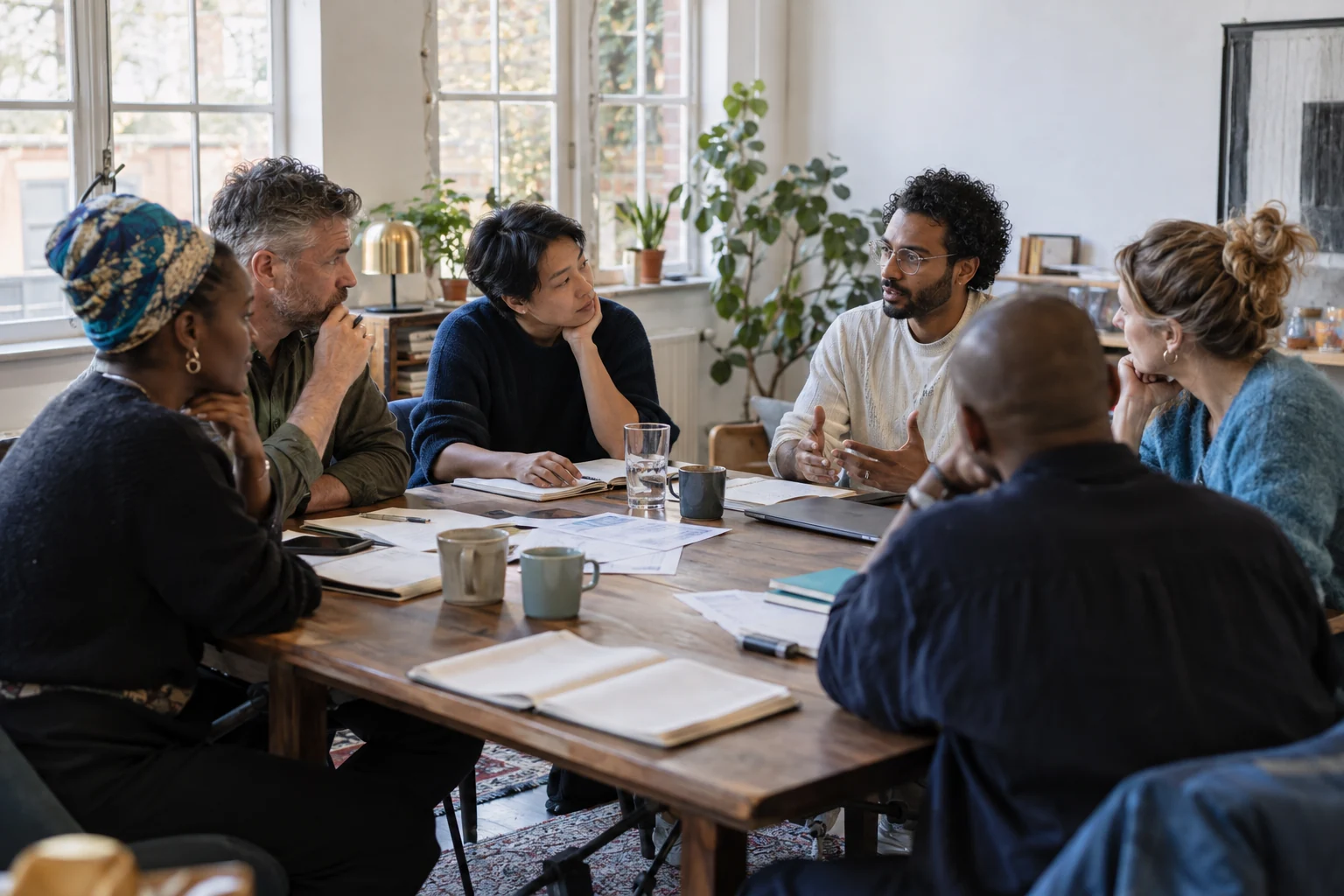
A role is more than a job description. It is shaped by the person who takes it up, the organisation that gives it authority, and the expectations of others. Role analysis offers a confidential space to examine what you are carrying, where your authority feels clear or uncertain, and what choices may be available. We may also explore your role biography: how experiences in your life, organisation and community have shaped the story you tell yourself about your work. These are possibilities to think about together, rather than explanations decided in advance.
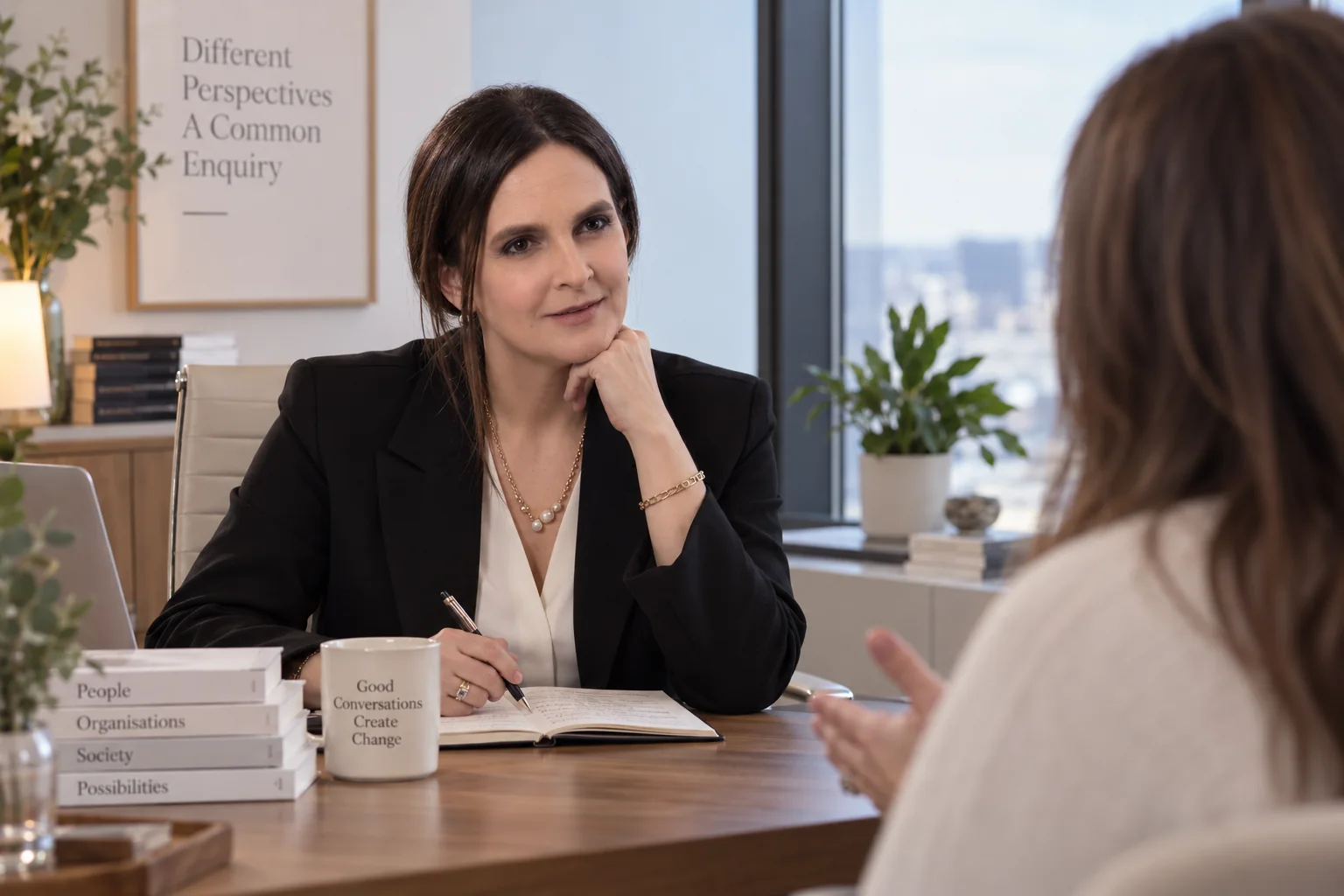
Individual coaching offers a space to think about your roles, transitions or decisions in the context of your work and relationships. Group coaching brings people together to learn from one another’s experience while attending to how they work as a group. In both forms, we can consider the expectations around our roles, how we take up authority, and what may be changing in the wider system. For someone working across countries or cultures, relocation and belonging may also become part of the inquiry.
Individual therapy offers a different kind of space from consultation about a role or organisation. I work with adults, including people facing life transitions or difficulties related to fertility.
Read about therapy ↗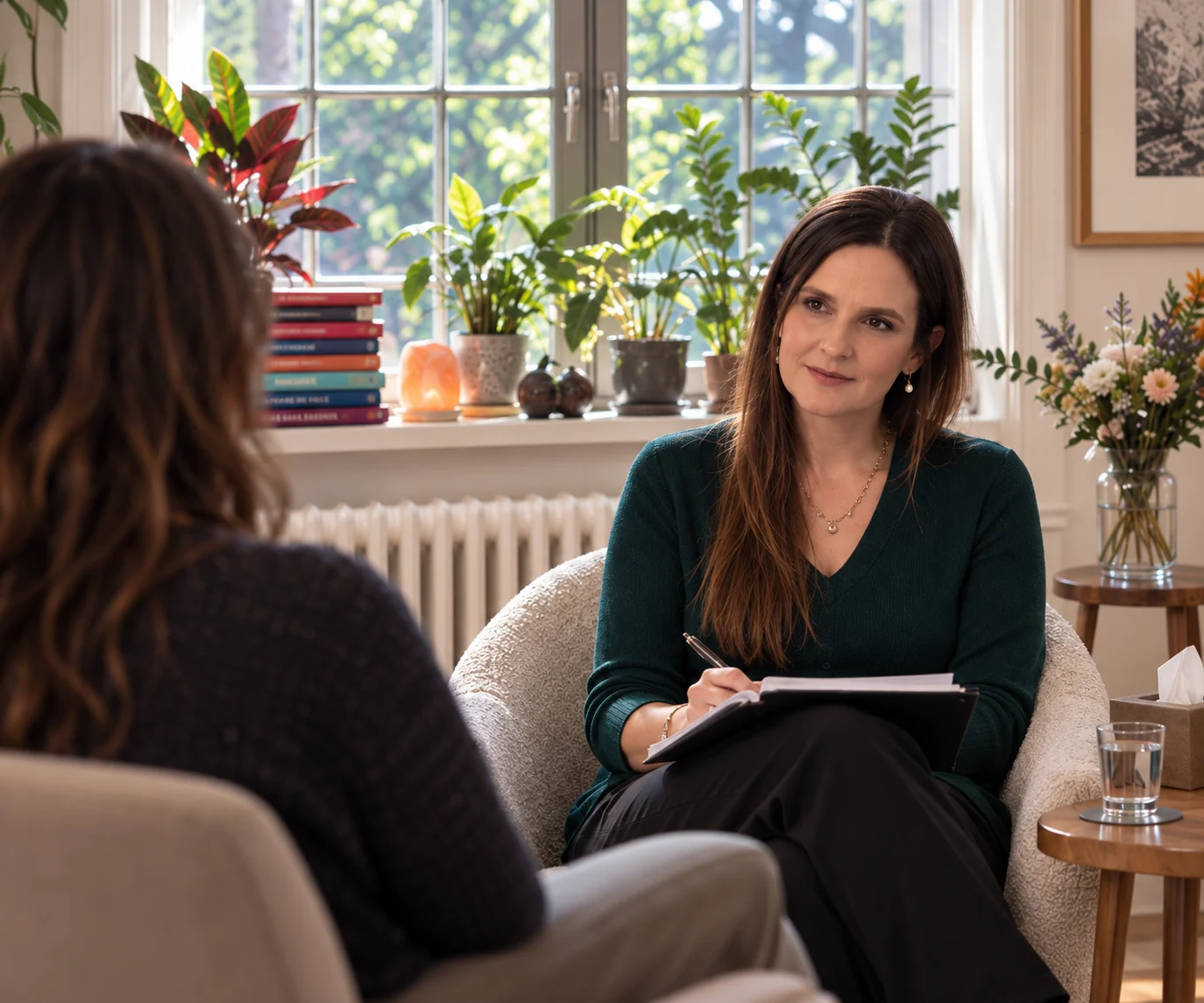
I offer reflective spaces for consultants, coaches and other professionals working with complex organisational and relational situations. It is a place to think freely about the emotional demands of a piece of work: what it evokes in us, what may be communicated through our experience, and what remains uncertain. We can consider how to respond while staying connected to the people and the task.
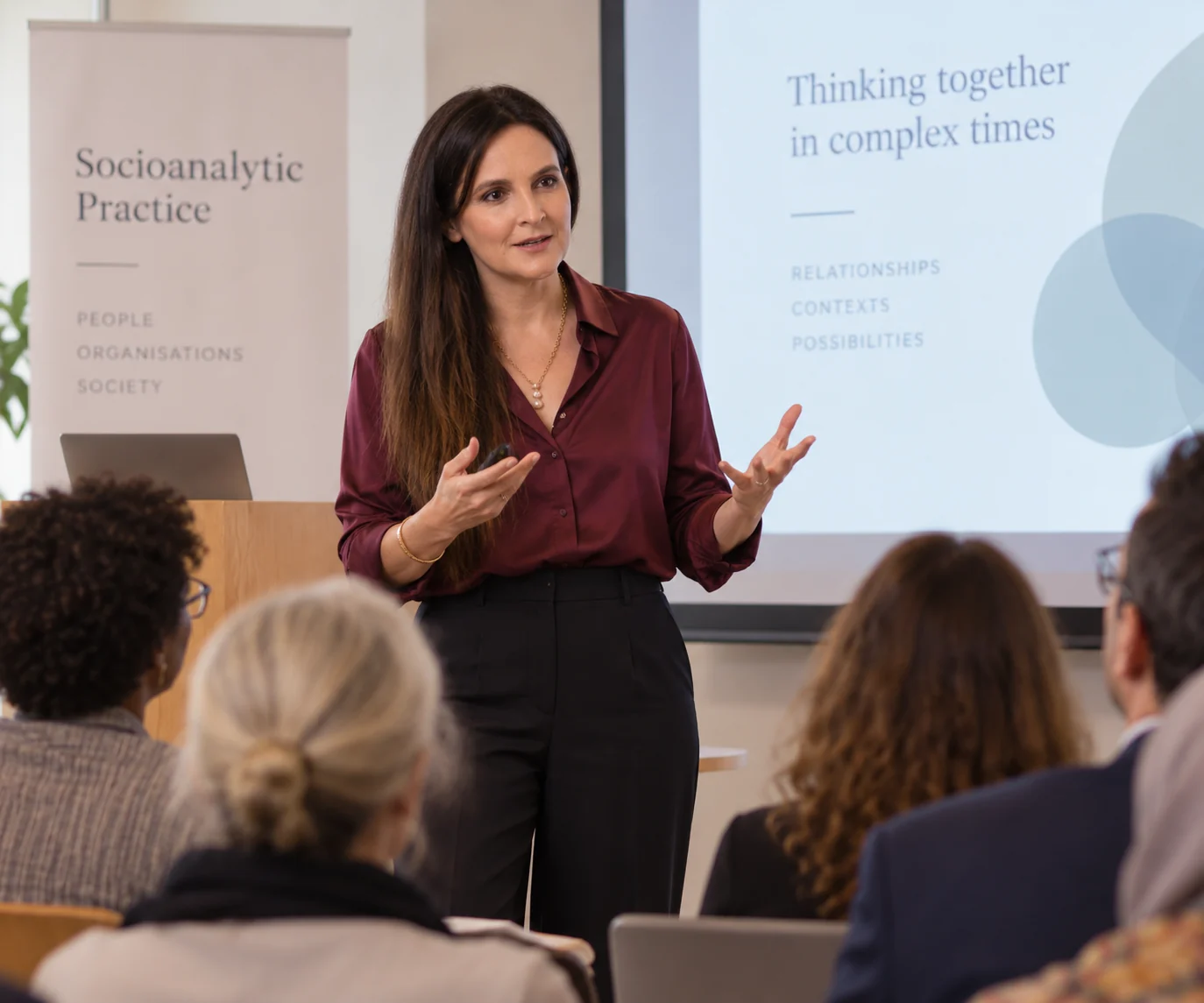
I design learning experiences in socioanalysis, Group Relations and sociotechnical systems. Teaching can combine ideas with attention to participants' own work and experience; programmes are tailored to each client.
A social hackathon is a time-limited gathering around a real question that matters to the people involved. It creates a temporary working space in which participants can develop ideas and try out forms of collaboration. What they notice about their roles, decisions and authority is part of the learning, alongside anything they make.
In arts and cultural settings, including immersive theatre, people can use movement, image and shared action to encounter aspects of a group that words alone may miss. I adapt these forms with the people involved, including teams exploring cultural change, so that the experience remains connected to their real work.
There is no single method for every situation. We consider the task, the people involved and the wider setting, then decide which forms of inquiry might help. These are some of the methods I draw on, combine and adapt.
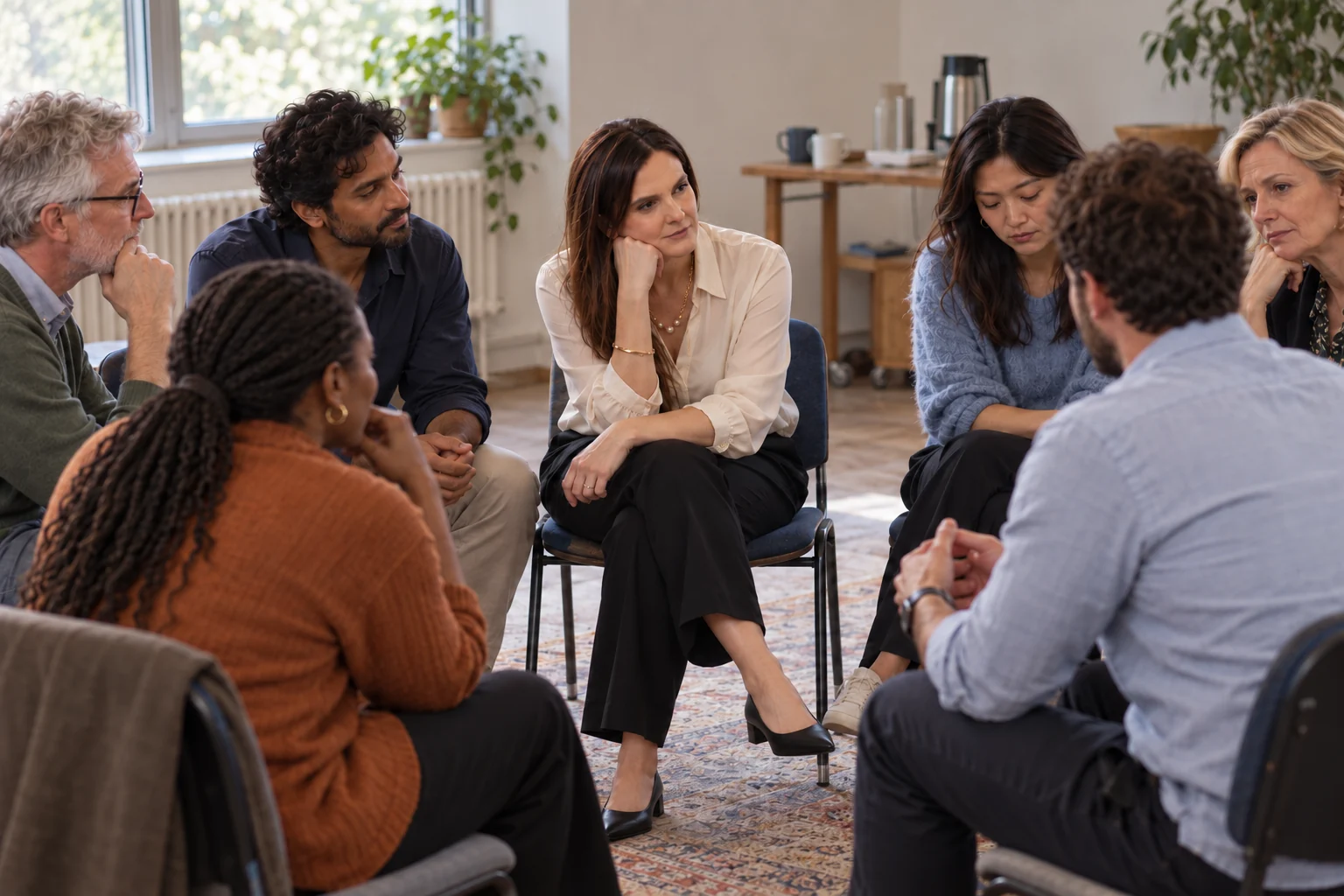
A temporary organisation in which people learn from how they form groups, take up roles and exercise authority together.
Explore Group Relations ↗
Reflecting on a role and on the personal and institutional histories that may shape how it is experienced.
Explore the idea of role ↗
Inquiring into a real difficulty while people work on it, testing ideas through action and returning to what the experience reveals.
OPUS has developed and convened Listening Posts. A Listening Post invites people to reflect on their experience of a shared social situation. Alongside observation, interviews and social dreaming, it can bring less articulated experiences and associations into view.
Explore social dreaming ↗ · About Listening Posts ↗
Using movement, image, music or theatre when the body and imagination may offer another way into a shared question.
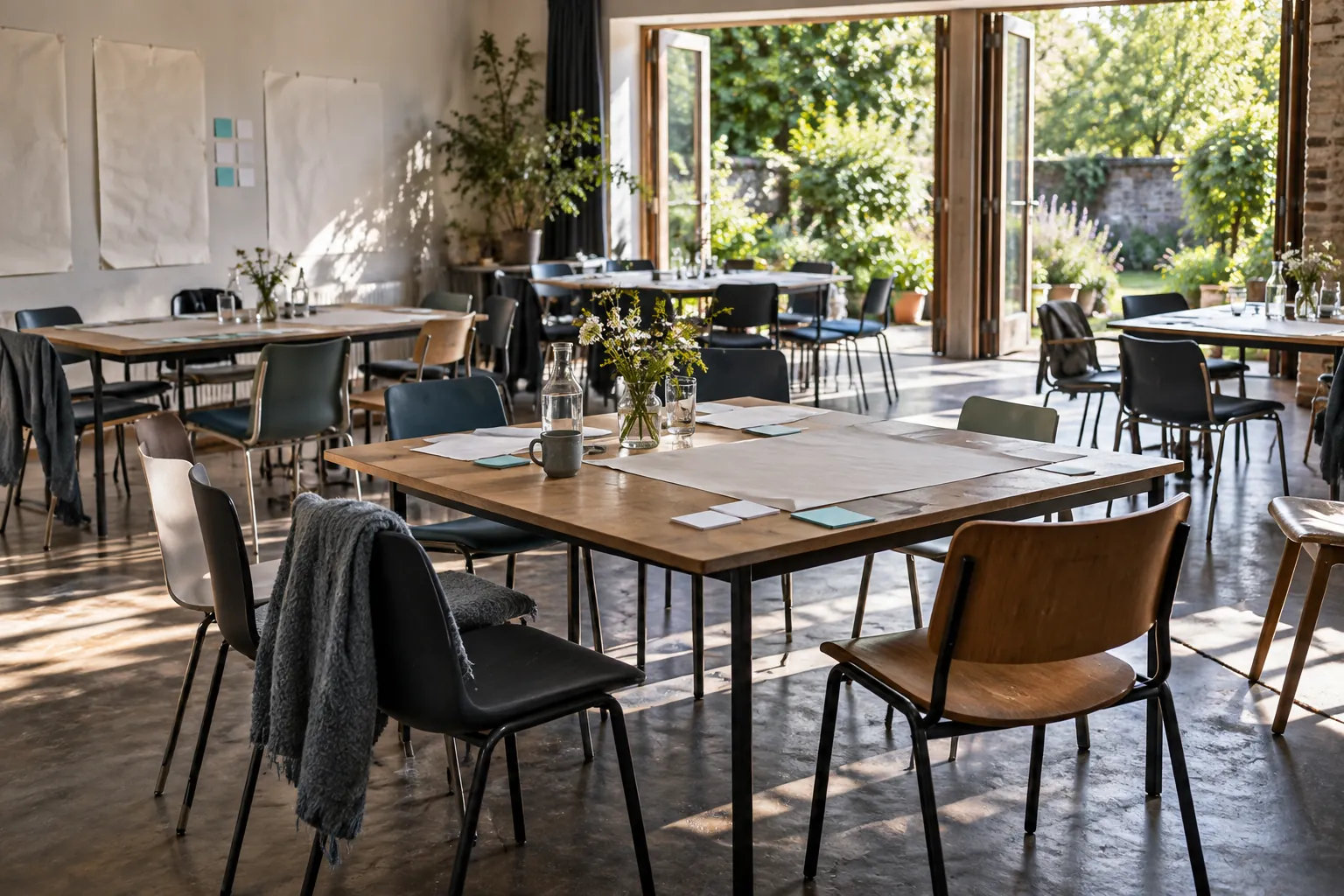
Different ways of bringing stakeholders across roles and boundaries into a shared inquiry. Future Search supports a shared view and practical action around common ground; an Open Systems Event attends to how a system relates to its environment.
About Future Search ↗
Examining how the work is structured alongside the technologies, roles and relationships that make it possible. The inquiry can inform the design of tasks, teams and decision-making.

Exploring how people make meaning, take up roles and act together in their social, institutional and ecological contexts. Observation, inquiry and reflection can reveal questions that a formal account of the organisation may miss.
Tell me a little about the situation and what you hope to understand. We can explore whether and how I can help.
Get in touch